The Future of AIoT in 2026: How Smart Systems Are Redefining Business
The conversation is no longer about artificial intelligence and IoT as separate technologies.
Today, AIoT (Artificial Intelligence of Things) represents the convergence of both, unlocking a new level of operational intelligence.
This integration is not just about connecting devices, but enabling them to understand, analyze, and act in real time.
What Is AIoT and Why It Matters
AIoT combines:
- Artificial Intelligence (AI)
- Internet of Things (IoT)
Connected devices collect data, which is then analyzed using intelligent algorithms to generate actionable insights.
Its value lies in its ability to:
- Turn data into decisions
- Improve operational efficiency
- Reduce human intervention
- Accelerate response time
From Connected Systems to Intelligent Systems
The previous phase of digital transformation focused on connectivity.
Now, the focus is on intelligence.
The difference is clear:
- IoT collects data
- AI understands and acts on data
This marks a shift from systems that execute to systems that think.

AIoT Applications Across Industries
By 2026, AIoT is expected to play a key role in multiple sectors:
🔹 Smart Cities
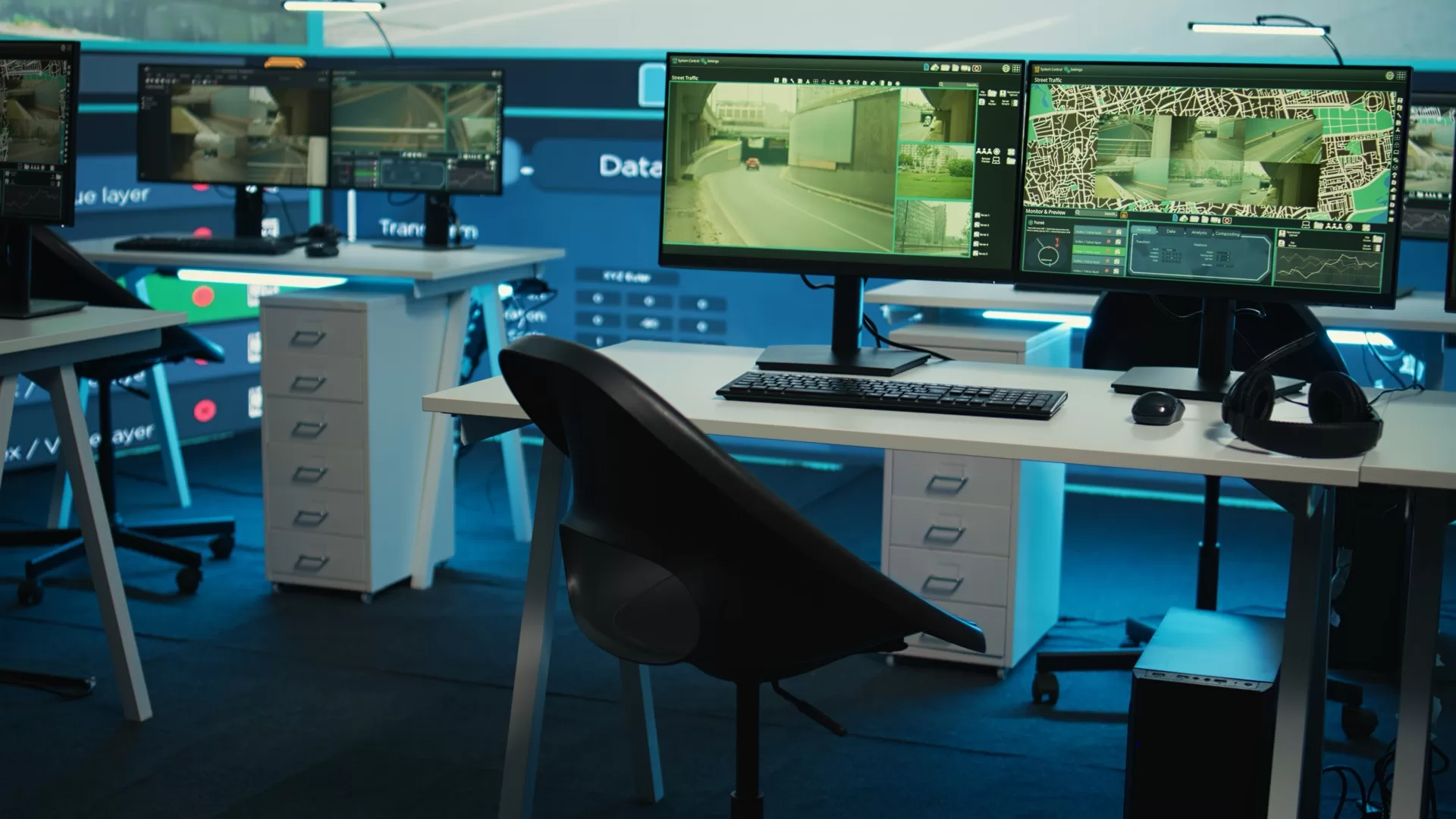
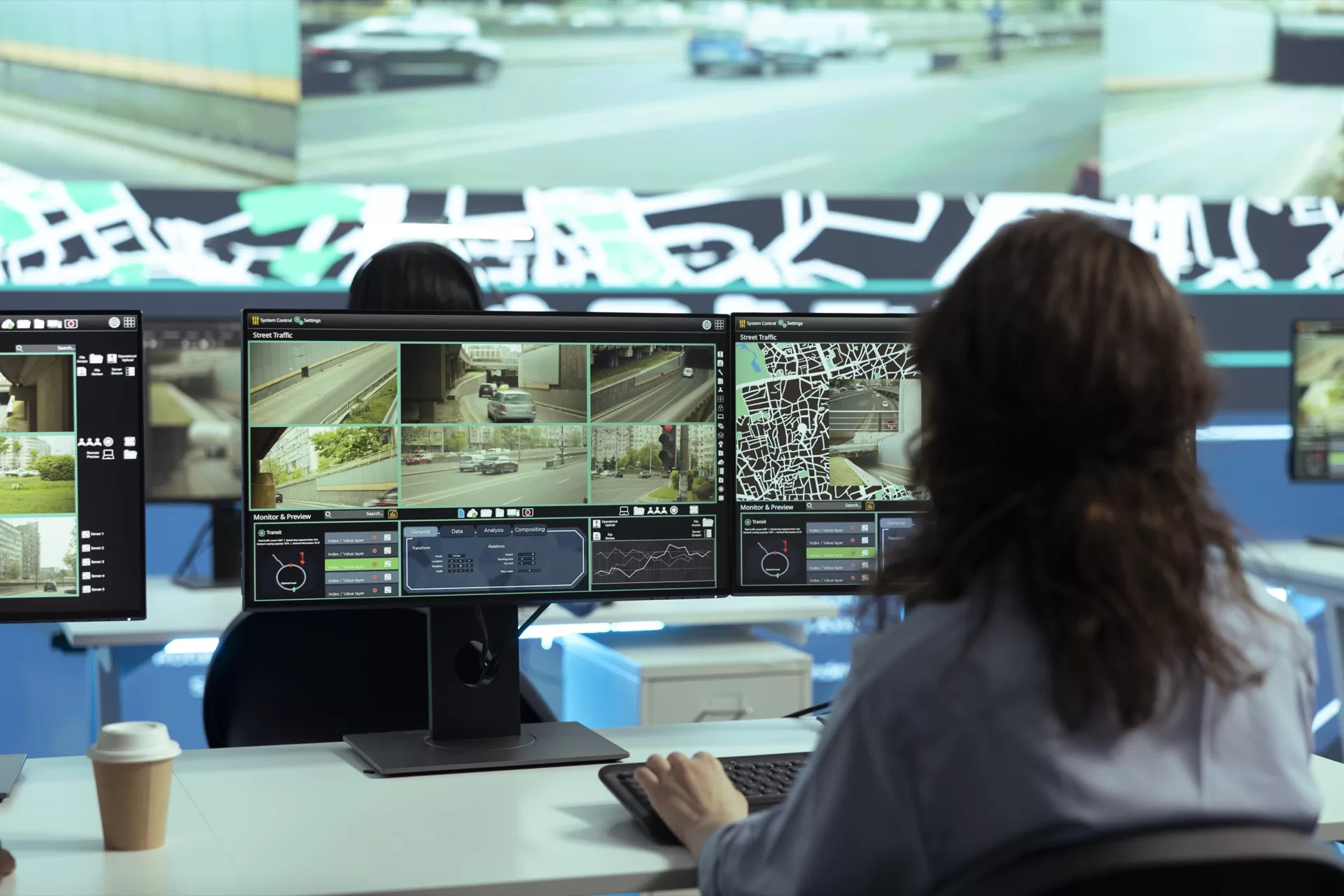
Traffic management, energy optimization, and enhanced public safety.
🔹 Manufacturing
Predictive maintenance, reduced downtime, and improved productivity.
🔹 Retail
Customer behavior analysis, smarter inventory management, and enhanced experiences.
🔹 Security & Surveillance
Real-time analytics and predictive threat detection.
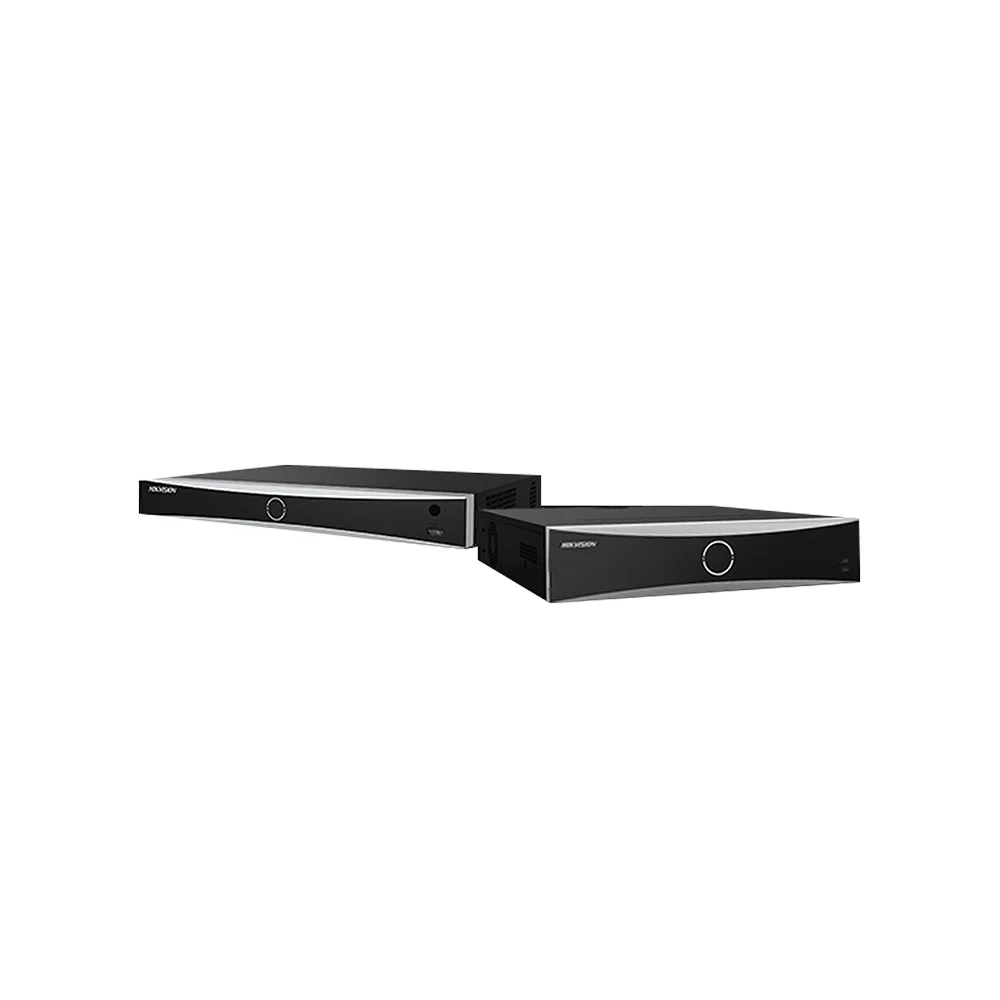
Companies like Hikvision are increasingly leveraging AIoT to deliver integrated solutions that combine intelligent monitoring with advanced analytics.
AIoT as a Competitive Advantage
In a fast-moving market, traditional systems are no longer enough. AIoT enables organizations to:
- Predict instead of react
- Optimize instead of operate
- Make data-driven decisions
Early adopters will be the ones leading the next phase of transformation.
Challenges of AIoT Adoption
Despite its potential, AIoT comes with challenges:
- Data security and privacy
- Integration complexity
- Need for skilled talent
- Implementation costs
However, these challenges are gradually being addressed as technology evolves.
Conclusion
AIoT is not just a technological advancement. It is a shift in how businesses operate and think.
By 2026, success will not depend on owning devices but on deploying systems that understand, learn, and act.
The future belongs not to connected systems alone, but to intelligent systems that use data effectively. Get in touch with Speed4Trading to benefit from our expertise.
Related reading
- AIoT: revolutionizing security and beyond
- The future of smart cities in Egypt
- AcuSeek NVR from Hikvision
- Redefining video surveillance and system integration
- Hikvision smart security inspection technologies
- What actually drives the cost of a CCTV system in Egypt
- How to write a security system specification (BOQ)
- All Speed4Trading security solutions
Hotline 16454 · WhatsApp 01068835505 · Request a free consultation