When a camera dies after eighteen months in Egypt, the usual conclusion is that the equipment was poor. Occasionally it was. Far more often the equipment was fine and the installation was designed for a mild climate, clean power and a building that does not exist...
Most disappointing security systems in Egypt were not badly installed. They were badly specified — and then installed exactly as specified. A tender document that says “supply and install 48 IP cameras, 4 MP, with NVR and 30 days storage” will attract bids...
Storage is the quietest failure in a surveillance system. Cameras that stop working get noticed within days. Storage that is too small never announces itself — it simply overwrites, and the one recording you eventually need turns out to be four days older than the...
The most expensive purchase in the Egyptian security market is not the most expensive camera. It is the cheap one that turns out to be counterfeit, refurbished and re-labelled, or a grey-market import with no warranty behind it — and that only becomes obvious months...
“How much for cameras?” is the first question almost every buyer in Egypt asks, and it is the one question no honest supplier can answer over the phone. Not because the price is a secret, but because two projects with the same number of cameras can differ...
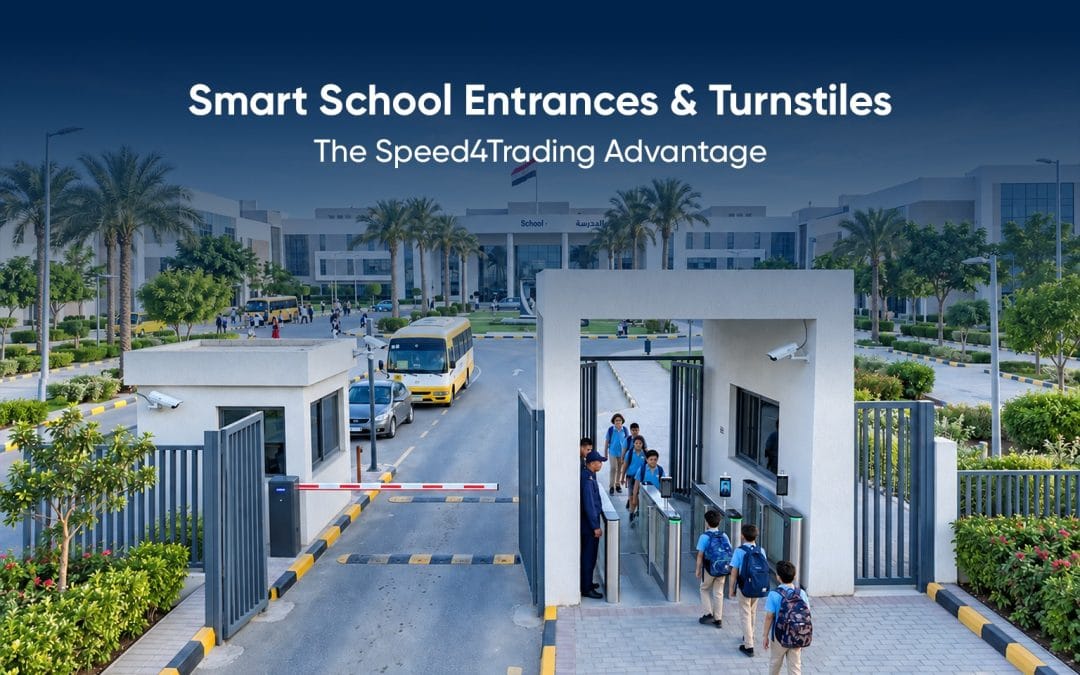
Educational campuses and school gates represent the frontline defence and the most sensitive operational touchpoint of every academic day. With hundreds of students, parents and school buses converging during peak arrival and departure times, access management becomes...